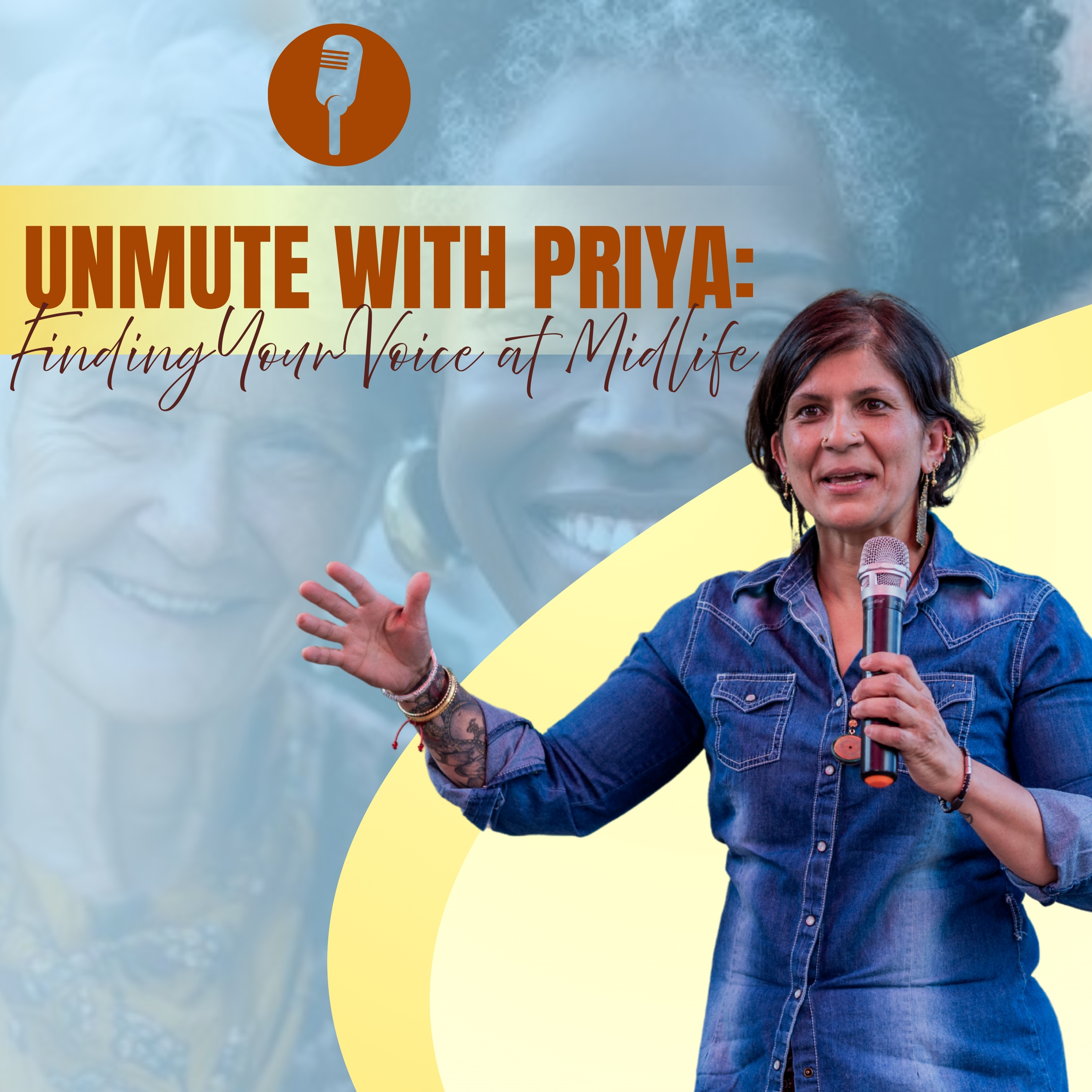


I used to think changing my hair color was a bit like magic, temporarily turning myself into someone younger, more interesting. Over time, I realized the impact went much deeper than appearance. Hair carries meaning about who we are, or at least how we want to be seen. Sitting down with Linda Hollaz made it clear: hair can reveal so much about self-worth, acceptance, and the challenge of staying true to ourselves when culture constantly tells us what to look like.
I always felt really estranged in hair salons. It felt very weird having several people work on me.
Hair beyond the surface: a mirror of self-worth
At 17, Linda Hollaz experienced hair loss for the first time, confronting the emotional weight that comes with losing something so tied to identity. Hair often seems like just an accessory, but for Linda, each strand lost felt like shedding a piece of herself. When we're young, hair is usually thick and strong, a reflection of youthful confidence. But as we age, hair changes too, and many people find themselves grieving not just the lost hair, but the fading version of themselves that it represents.
Hair isn't just hair, it carries psychological meaning that runs far deeper than trends or fashion.
Linda noticed this among women who spoke longingly about hairstyles they once had. Their nostalgia seemed less about appearance and more about missing a feeling or sense of self that seemed to slip away with changing hair. Society reinforces this connection, associating certain colors or styles with youth and vitality. Blonde or bright hair is supposed to signal energy, but that's a cultural script more than a universal truth.
The sacred space of the salon chair
The salon may not look like a sanctuary at first glance, but it's where real exchanges happen. Linda has reimagined the salon as a space charged with spiritual energy, thinking of hair as closely connected to someone's personal aura. For her, each haircut is more than grooming; it's shaping intangible forces that make up who we are.
Sitting in a salon chair is an act of vulnerability and trust.
Sitting in a salon chair is an act of vulnerability and trust. Linda supports silent haircuts that allow clients to be present with themselves instead of engaging in small talk or gossip. She sees the haircut itself as a ritual, a chance for people to reclaim their own space and emotional energy while someone else shapes their appearance. True transformation starts with care and respect, not just scissors.
Unmuting the silence on hair and identity
Hair can become especially important when it comes to self-acceptance and authenticity. For Linda, letting natural hair show, including graying after menopause, is an act of reclaiming energy and refusing to hide from aging or public judgment. Silver strands become symbols of experience rather than shame.
The changes in texture, color, or thickness that come with age, stress, or hormones can reveal resilience rather than decline. Every stage of life leaves its mark on our hair, each one evidence of what we've gone through and learned along the way. Midlife is when honesty becomes urgent: it's time to stop hiding behind someone else's expectation and let our real selves show through, even if that's most visible in our hair.